






Growth hub
Practical tools and guides for business owners scaling teams, structuring equity, and raising serious capital.
Video spotlight: What's EIS?
What is EIS, and how does it work - could it help your company attract tax-efficient investment from the right investors?
Articles and insights
Expert perspectives on raising investment, designing share schemes, managing cap tables, and building investable businesses - practical knowledge for growing companies.
Select an option below:
- Investor readiness
- Equity and share scheme design
- Fundraising and ownership
Plan your next round, sustainably
Choosing the right fundraising structure affects valuation, investor terms, and future raises. Understand structural trade-offs to make smarter governance decisions.
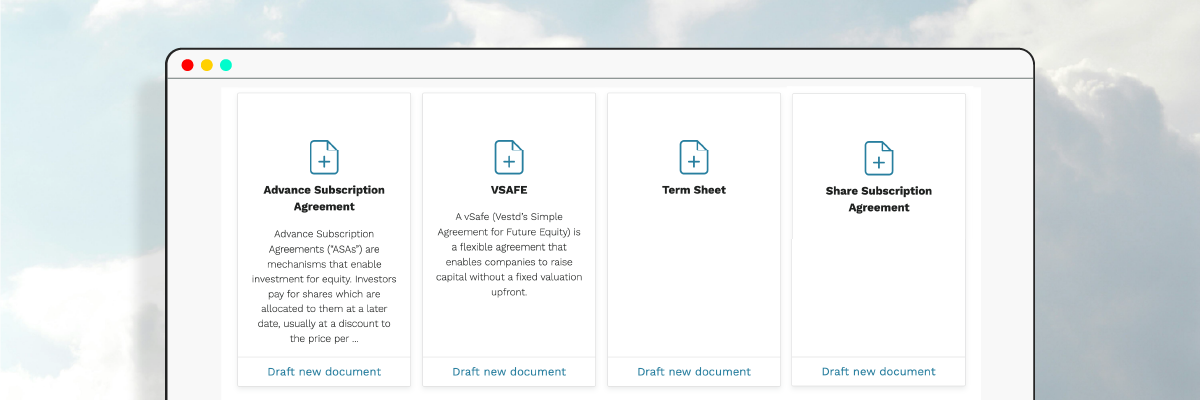
Convertible instruments can unlock early investment without complex valuations and instant share issuance - but the route you choose can impact your growth.
Knowledge Intensive Company (KIC) status can significantly expand EIS eligibility, enabling larger raises, longer investment windows, and stronger tax incentives that attract sophisticated investors.
An SEIS/EIS-ready pitch deck isn’t just about convincing investors, it must also satisfy HMRC’s eligibility criteria, which differs from what angels and VCs prioritise.
Agile vs priced rounds: Choosing the right fundraising structure
This guide explains the differences between Agile and traditional priced rounds, including key pros, cons, and considerations for scaling and future investment.
ASA vs CLN: Key differences for startups
Compare Advance Subscription Agreements (ASA) and Convertible Loan Notes (CLN) side by side, from mechanics to tax implications, so you can choose with confidence.
KICs and EIS: What founders need to know
Discover how KIC criteria interacts with EIS rules, what thresholds change, and why KIC-qualified companies can incentivise investment beyond standard EIS limits.
The founder's guide to an SEIS/EIS-ready pitch deck
Discover what HMRC expects to see in an SEIS/EIS pitch deck, how that contrasts with investor-focused storytelling, and how to balance both without weakening your raise.
Equity decisions that scale
If you want to reward key players, but they're not eligible for EMI, let's take a look at your alternatives.
How you handle departing founders or employees signals maturity to investors, and helps to preserve your ownership structure.
For growth businesses building teams and planning raises, share schemes that align incentives and preserve tax benefits are a core part of scaling responsibly.
Option pools shape talent incentives and dilution, and investors will judge whether your pool size makes sense for growth, hiring trajectories, and future funding rounds.
Unapproved options vs growth shares: Alternatives to EMI
Compare unapproved options and growth shares side by side - from tax treatment and issuance mechanics to their complexity - so you can choose the right route with confidence.
Learn how good and bad leaver provisions work in practice, how to implement them fairly, and why clear rules protect your growth trajectory and investor trust.
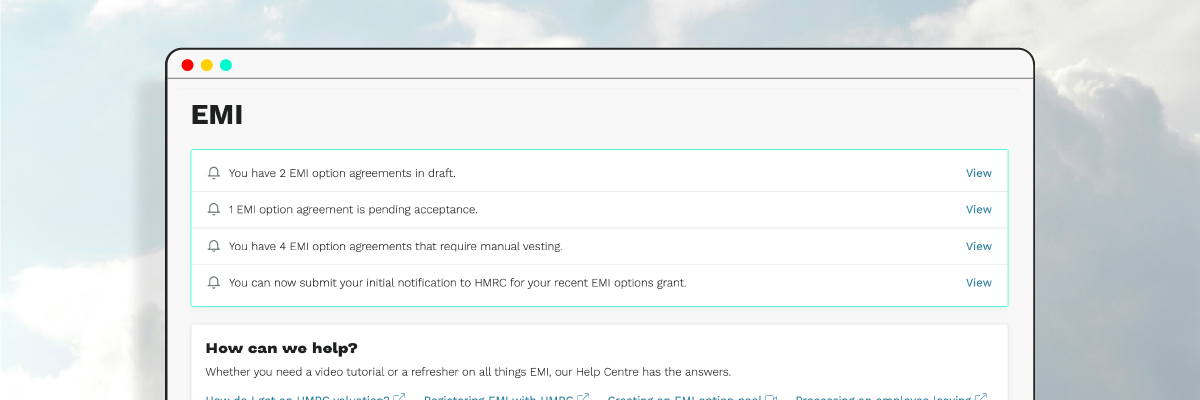
Explore how EMI share options operate, from eligibility and grants to tax treatment, and why a well-structured scheme is vital for hiring and future investment rounds.
What's a typical option pool size for employees?
See what founders typically allocate for employee equity, how pool sizing impacts dilution and fundraising, and practical frameworks to size an option pool for your growth stage.
What VCs actually check
Discover the silent deal-killers that slow, shrink, or stop your round.
Vesting shows commitment, alignment, and downside protection. Weak or missing vesting suggests governance risk, even when growth looks strong.
For Series A and beyond, investors look for a combination of growth, efficiency, and operational maturity - signals that show your business can scale sustainably, not just grow fast.
From structuring rounds to managing dilution and investor expectations, the decisions you make early can either unlock future growth or limit it.
Cap table mistakes to avoid at all costs
These issues signal poor control, future dilution risk, and complex legal clean-up, even if the business fundamentals are strong.
From performance-based vesting to protecting your stake as a founder, learn about how you can create ownership structures that are built to scale.
How investors assess readiness for Series A and B
Beyond vanity numbers, these are the signals that tell a coherent story about scalable, durable growth.
The founder's guide to fundraising
From SEIS and EIS to understanding investment documents, this guide covers the decisions and structures you need to understand to raise capital the smart way.
Explore the platform
Fixed fee fundraising
Keep 100% of your investment with InVestd Raise
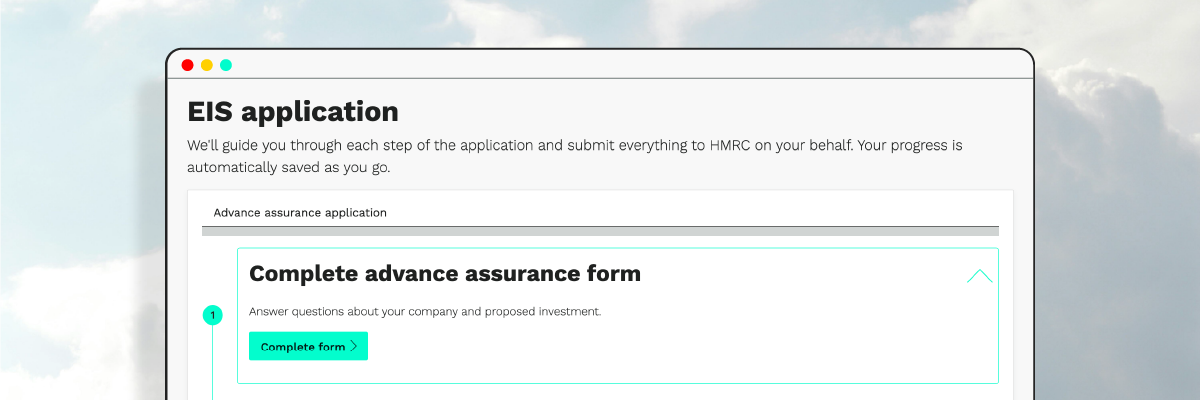
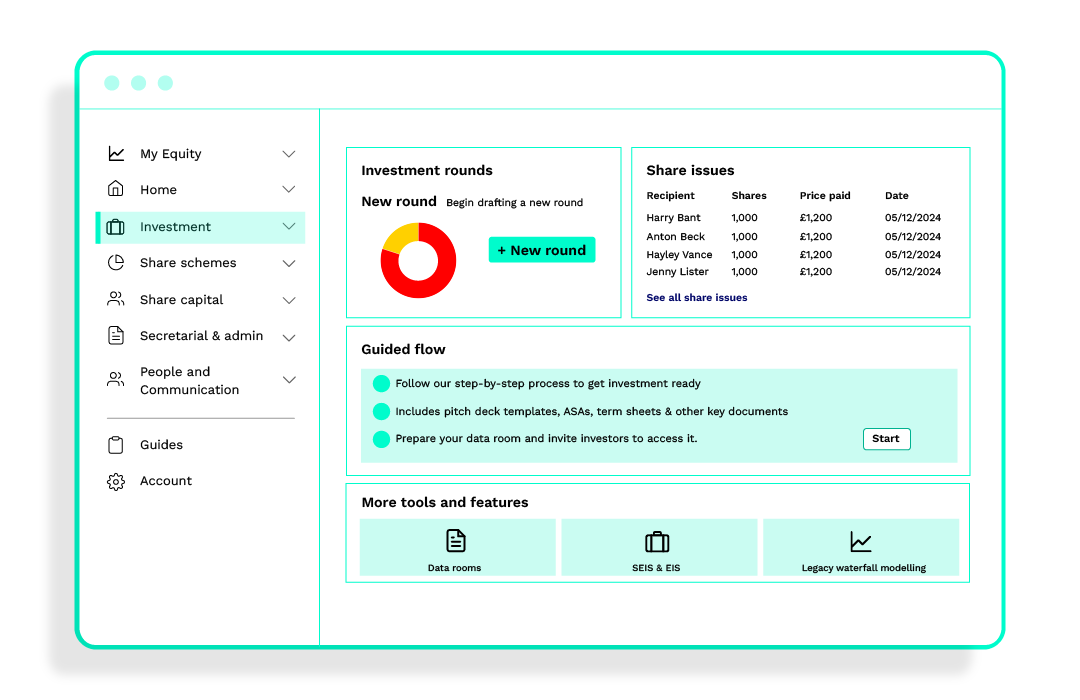
This £150 / month add-on includes a funding consultation, S/EIS Advance Assurance, legal docs, data rooms, a pitch deck template, share issuance, and then some...
Frequently asked questions
Set up
-
Why set up a share scheme?
A share scheme helps attract and keep the right people, motivates them to go the extra mile, and is often tax-friendly.
In short, it’s a win-win: your team benefits as the company grows, and so does the business. See for yourself.
-
What share schemes can I manage on Vestd?
Enterprise Management Incentives (EMIs), Company Share Option Plans (CSOPs), growth shares, unapproved share options, phantom shares and you can issue plain ordinary shares too.
-
How long does it take to set up a share scheme?
It depends (predictable, we know), firstly, on the type of share scheme. And secondly, if you’re involving lawyers or accountants or using ShareTech.
If you join Vestd:
Roughly speaking, for straightforward company structures, setting up HMRC-backed schemes such as EMI or CSOP can take 3–6 weeks. This is because HMRC need to approve the valuation put forward.
Growth share scheme valuations don’t need the nod from HMRC, but are still important for determining the hurdle rate (which is key).
So for these schemes, between 1–3 weeks, if you adopt our Model Articles of Association, which contain growth share-friendly clauses. Otherwise, it may take a little longer if you want to modify your own.
For unapproved option schemes, a valuation isn’t a statutory requirement, but worth getting to help you work out the exercise price for the shares. For these schemes, it’s usually a 1–2 week turnaround.
-
Can I migrate an existing scheme from spreadsheets or another provider?
Absolutely! Switching is easy with our tailored migration service.
-
What level of support do you provide during setup?
Choose the support level that suits you; our plans are priced accordingly. In the platform itself, all workflows offer guidance at every step, and you can always reach out to support if you get stuck.
InVestd Raise
-
Why should I use InVestd Raise for my SEIS/EIS application?
We will take you through every step of the SEIS/EIS process. From completing your Advance Assurance application, authorising and issuing your S/EIS shares, and the all-important Compliance Statement, your S/EIS journey is streamlined in-app. Oh - and we handle all HMRC correspondence, so you can focus on the important things. Easy, smooth, simple.
-
Why should I use InVestd Raise to manage my cap table?
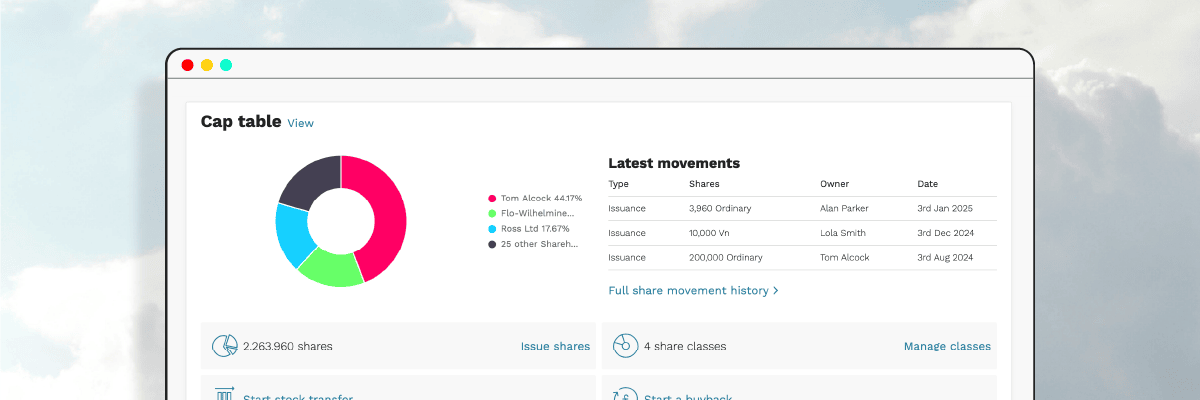
Vestd tracks ownership, lets you update shareholder records, and automatically feeds the changes through to Companies House with our unique two-way integration. No messy paperwork - stay compliant in just a few clicks.
-
Can you match me with investors?
No - we don’t offer investor matching. Instead, our focus is on helping you become investor-ready, providing tools, resources, and support to manage your fundraise efficiently. That way, when you connect with investors, you’ll be fully prepared and confident.
You can also manage ownership and easily issue investor shares at the click of a button with Vestd - what’s not to love? -
How does Vestd's investment modelling tool work?
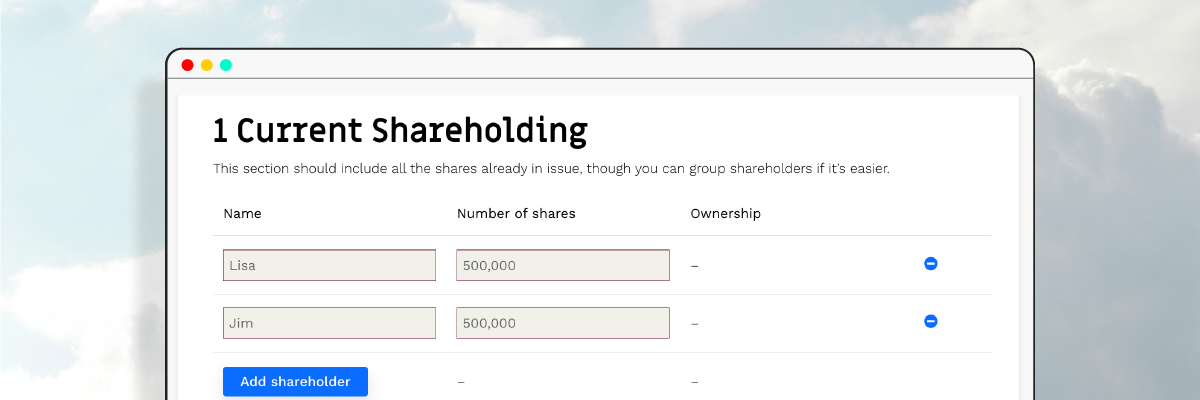
Our tool calculates ownership splits, potential dilution, and provides full transparency so you know how your rounds will impact your shareholdings.
-
What comes after my first raise?
After your first fundraise, setting up share schemes is a key way to attract and retain top talent while motivating your team to grow the business.
With Vestd, you can issue shares at the click of a button, customise schemes to fit your business, and set vesting schedules effortlessly. This keeps your team incentivised and ensures your company structure stays clear, compliant, and ready for growth.
Scheme management
-
How does Vestd handle Companies House and HMRC requirements?
Vestd has two-way integration with Companies House. In simple terms: they sync up.
The result is a cap table that auto-updates in real-time, accurate records, timely submissions (i.e. confirmation statements, SH01s) and easy updates (i.e. PSCs details) in one place, not two.
As for HMRC, you can submit annual notifications via the platform. And request a new or refreshed EMI/CSOP valuation directly. Our team will then prepare and send it to HMRC to get their approval.
-
How are vesting schedules set up, and can they be customised?
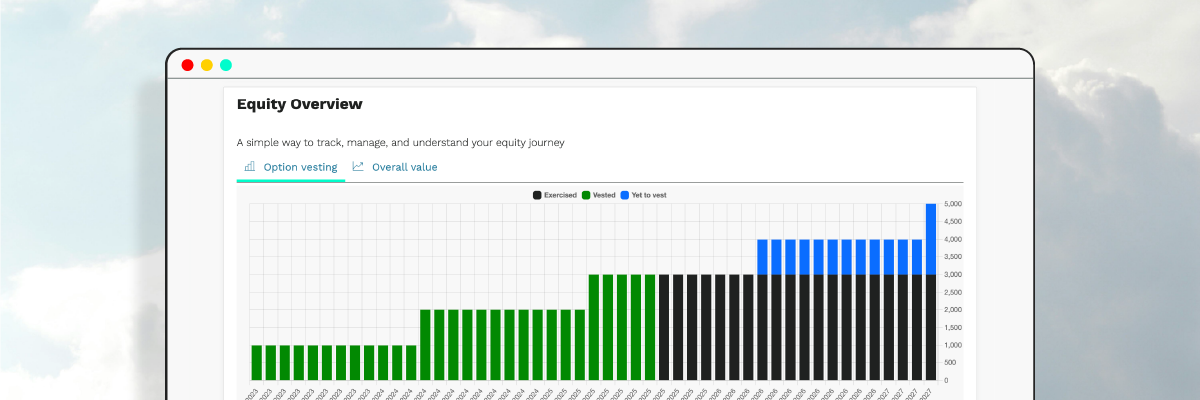
Setting and customising vesting schedules is a key feature of our scheme designer. There, you can select a duration, any cliff period, as well as time and performance-based criteria. You can duplicate your scheme design for future hires, keeping the same conditions.
-
What tax advantages areavailable for the comapny and employees?
It depends (again).
EMI options give employees favourable tax treatment on gains (BADR), no National Insurance on exercise, and employers get a corporation tax deduction.
CSOPs allow employees to exercise options up to £60,000 without paying Income Tax or NI, while employers can claim a CT deduction.
With both of these schemes, the tax benefits apply only if specific qualifying criteria are met.
With growth shares, typically, Capital Gains Tax applies on any increase in value rather than Income Tax, and there’s usually no NI due.
The taxation of unapproved options is more nuanced. Learn more.
If you’re ever in doubt, consult a tax professional.
-
How much does it cost?
Click here for our pricing plans. Pay monthly, or annually for extra savings.
Arrange a demo
Let’s discuss your share plan and show how our platform can help.
Free consultation, no obligation. What have you got to lose?
AS SEEN IN THE MEDIA
THE SHARETECH PLATFORM
See Vestd in action
Watch the video to take a closer look or book a guided demo.