
 Graham Charlton
How to balance salary bands and flexibility
 Graham Charlton : 16 October 2025
The benefits and risks of rigid salary bands, and practical tips on aligning your compensation philosophy with your stage, culture, and growth goals.
Founders, finance and people teams all rely on the same equity record - we just give each of them the view they need.
Watch a demoA short walkthrough, end to end.
Migrate to VestdDigitise or move your existing scheme
EMI, growth shares, CSOP & more
ValuationsUK HMRC & US 409A valuations
Equity management & adminGovernance, admin & filings
Fundraising - InVestd RaiseApply for S/EIS & structure your round
PISCES / secondary marketsDeploy into regulated secondary trading
Your question is ready. Press Enter in the chat to send it.
Vestd AI isn't available right now
Please try again in a little while, or search our resources instead.

Pay is no longer just an internal HR debate. Around the world, governments are introducing pay transparency laws that require companies to disclose salary ranges in job ads or share pay information with employees.
These rules, combined with cultural shifts and employee demand, mean businesses can’t avoid the conversation much longer.
For founders and leaders, the question isn’t whether transparency is coming; it’s how far you lean into it.
When implemented effectively, transparent salary bands can build trust, fairness, and engagement.
Or they can spark resentment, limit flexibility, and even drive talent away.
This article explores the pros and cons of pay transparency, the risks of rigid salary bands, and how to find the balance between fairness and flexibility.
The push toward salary transparency is fuelled by three forces:
Legislation. The EU Pay Transparency Directive will require a greater level of transparency around pay than ever before. In the US, states like New York and California already enforce rules around transparency in job postings.
Employee expectations. A Glassdoor survey found 67% of employees want pay transparency to ensure fairness.
Retention pressure. Gartner research shows 70% of employees who perceive inequity in pay are more likely to leave.
The world is moving toward more open pay practices. Companies can choose to treat it as a compliance exercise, or embrace it as a cultural advantage.
Transparent salary bands can unlock real benefits:
Trust and fairness. Employees feel more confident they’re being treated equitably. Buffer has published salaries since 2013, crediting the move with boosting trust and attracting aligned candidates. It has also introduced a public salary formula.
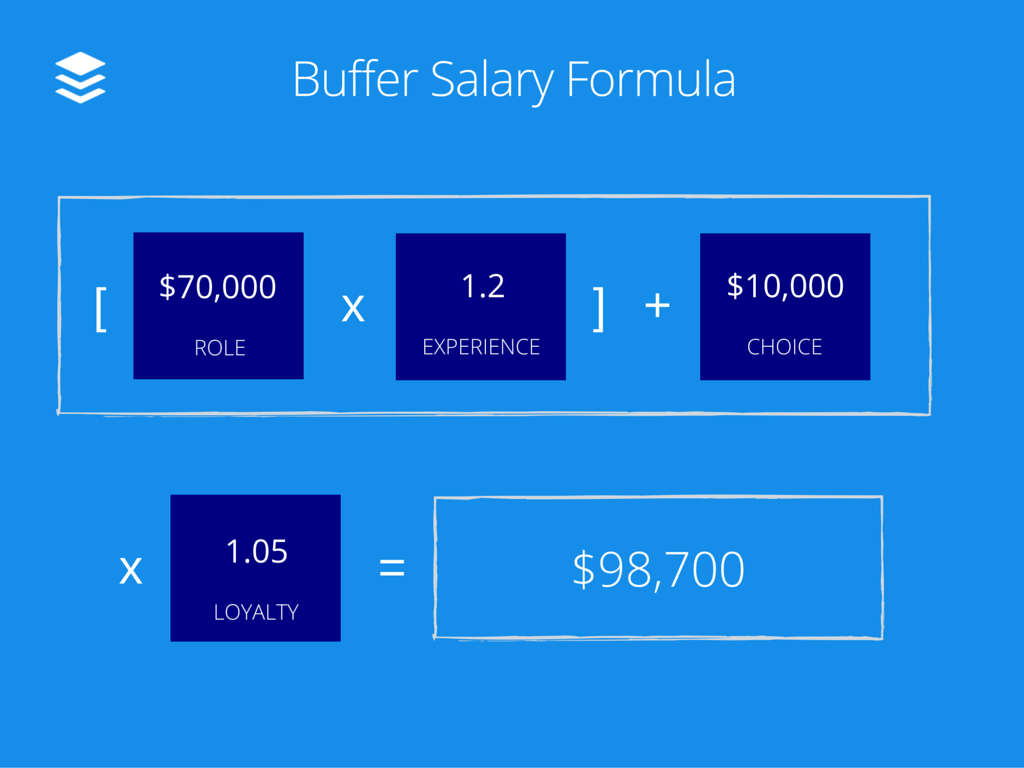
Clarity in progression: When bands are linked to skills and levels, employees understand how to grow. PayScale found transparency was linked to 20% lower turnover.
Cultural signal. Transparency says to potential candidates: ‘we have nothing to hide'. In competitive markets, that can be a powerful recruitment differentiator.
Transparency without context can do more harm than good.
Showing people pay gaps without explaining them can cause resentment.
HBR research highlights that openness without clarity often breeds discontent.
Rigid salary bands can make it worse, stripping leaders of the flexibility they need to reward and keep top performers.
When pay data is opened without a clear narrative, it fuels unhealthy comparisons that risk fracturing teams instead of uniting them.
The sweet spot lies in building transparent frameworks that comply with growing expectations and legal requirements, without locking yourself into rigidity.
Practical steps for leaders:
Define your pay philosophy. Be clear about what drives decisions, referring to skills, experience, performance, or market data.
Publish ranges, not absolutes. Ranges give visibility while preserving flexibility.
Add context. Explain how pay is set and how progression works. Transparency without context creates confusion.
Update regularly. Salary bands lose credibility if they lag behind market benchmarks.
Balance with equity. Share schemes give employees a stake in the company’s long-term success, even if base salaries vary.
Pay transparency is becoming a key issue for companies. Pay equity laws are being introduced around the world, and employees will increasingly expect it.
Pay transparency isn’t automatically good or bad, it’s about how you apply it.
Companies that pair clear, fair salary bands with context and flexibility can stay ahead of compliance as well as building trust, strengthening culture, and retaining talent.
At Vestd, we help founders design equity schemes that reinforce fairness, improve retention, and make employees feel truly invested. Book a call today to see how.
 Graham Charlton : 16 October 2025
The benefits and risks of rigid salary bands, and practical tips on aligning your compensation philosophy with your stage, culture, and growth goals.
 Graham Charlton : 12 November 2025
Discover why onboarding begins before day one. Learn how clear, honest job ads build trust, attract aligned hires, and set up new employees for...
 Graham Charlton : 19 September 2025
Discover why compensation benchmarking goes wrong for SMEs. Learn common pitfalls and smarter ways to build fair, competitive pay strategies.