



 Sapta
Sapta
The lifecycle of an ESOP grant: From board approval to employee exit
 Sapta : Sep 11, 2026, 1:27:42 PM
An ESOP grant might look like a single document, but in reality it's a chain of decisions that can span years.
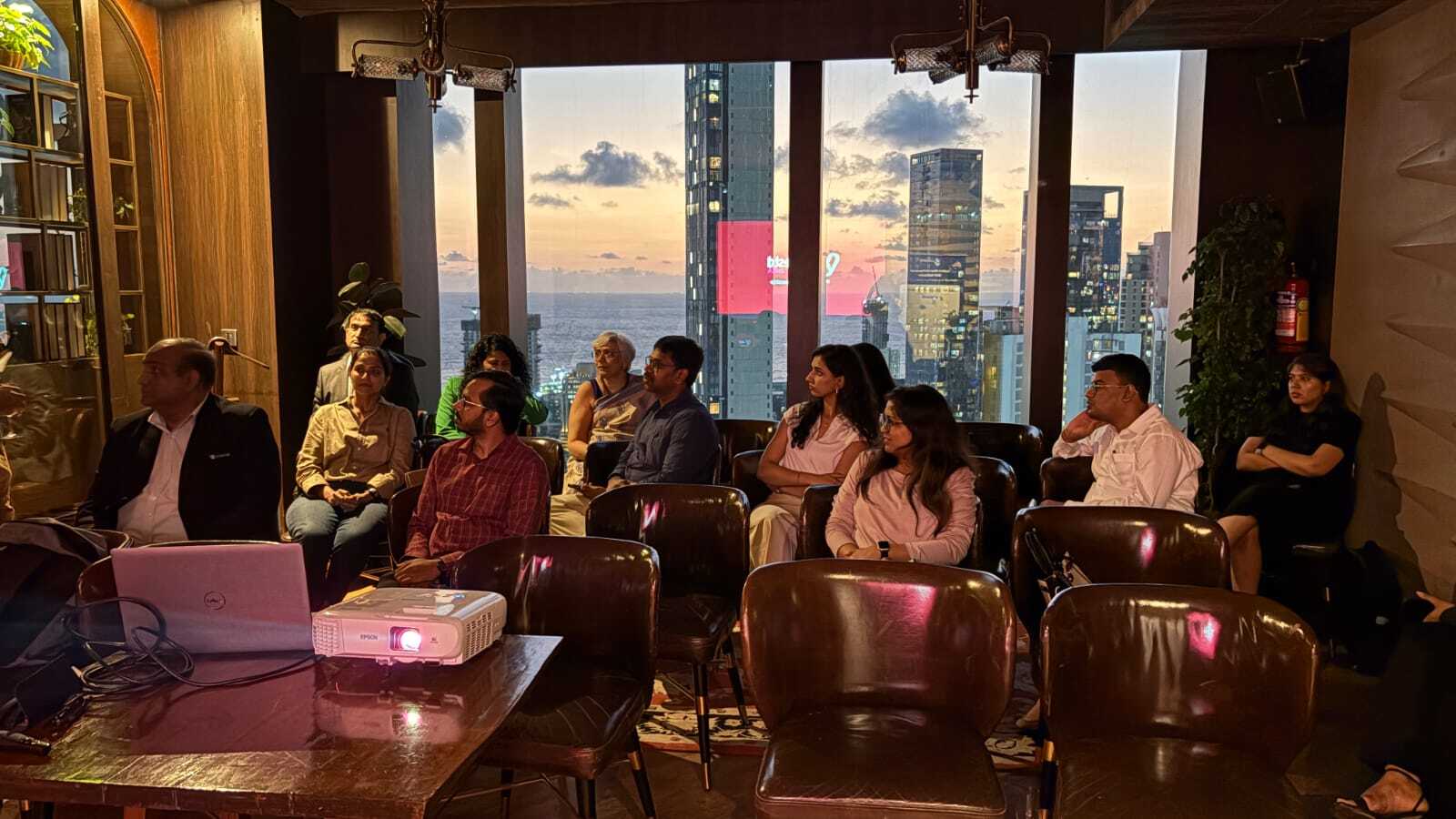
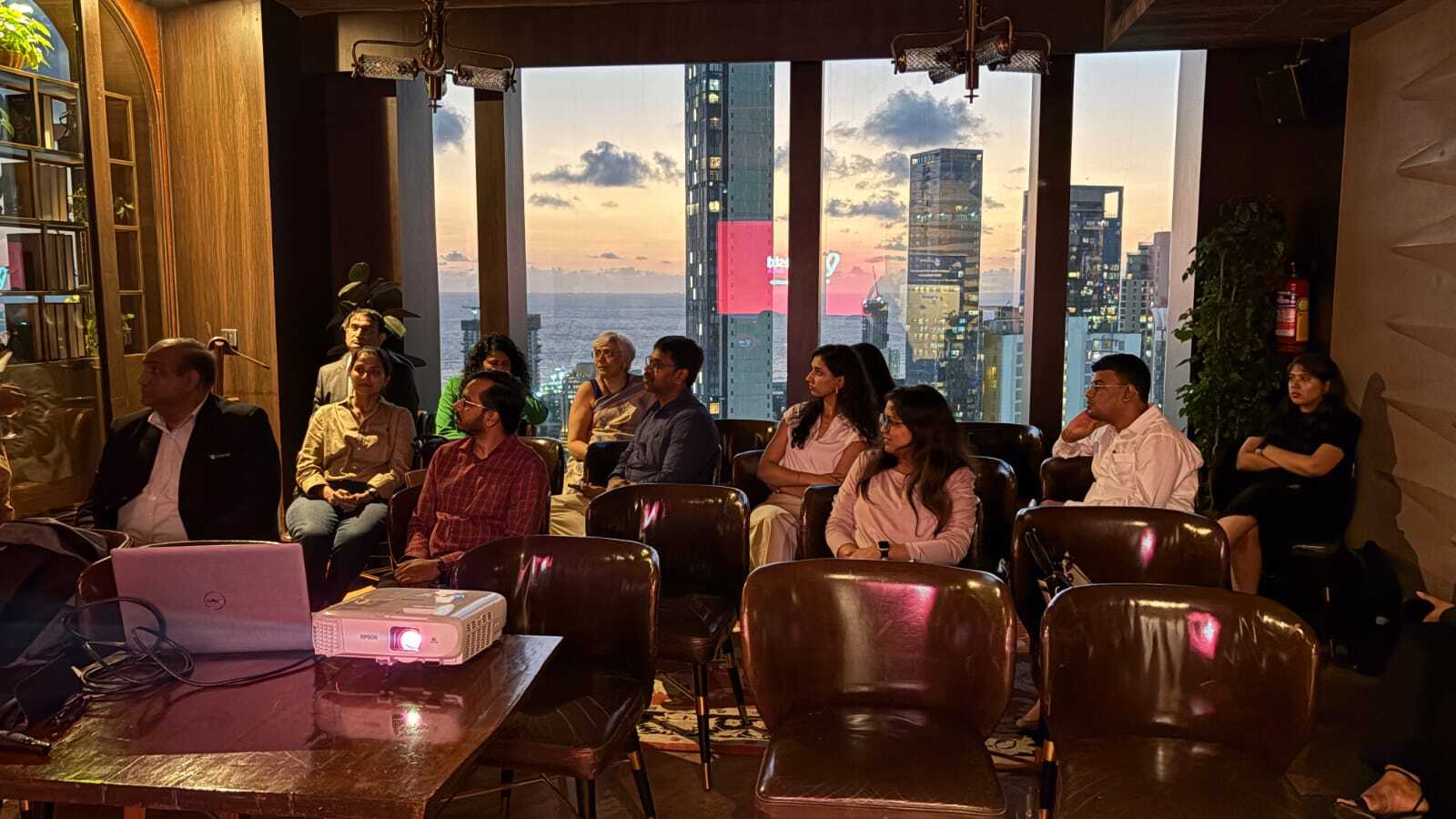
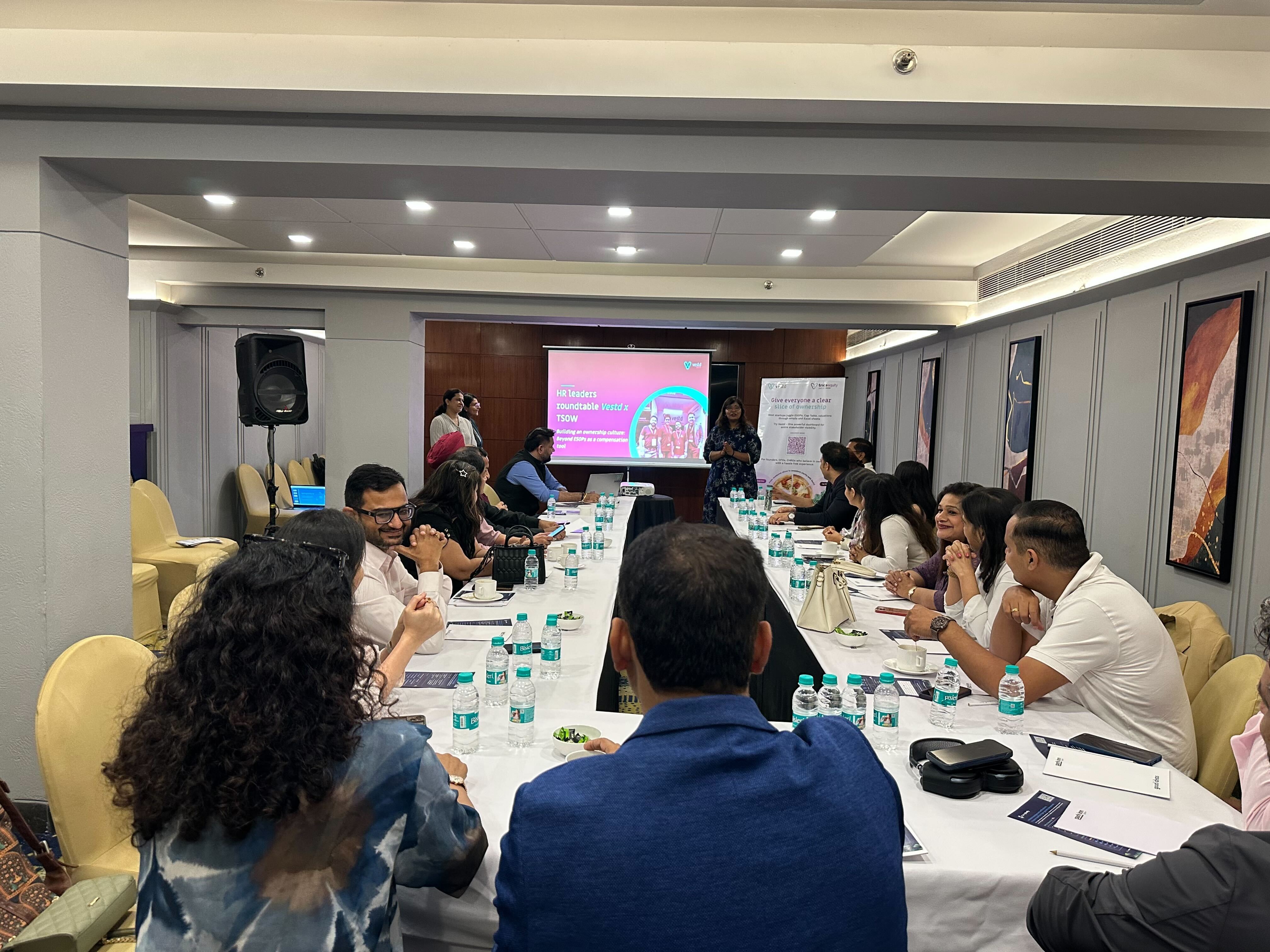
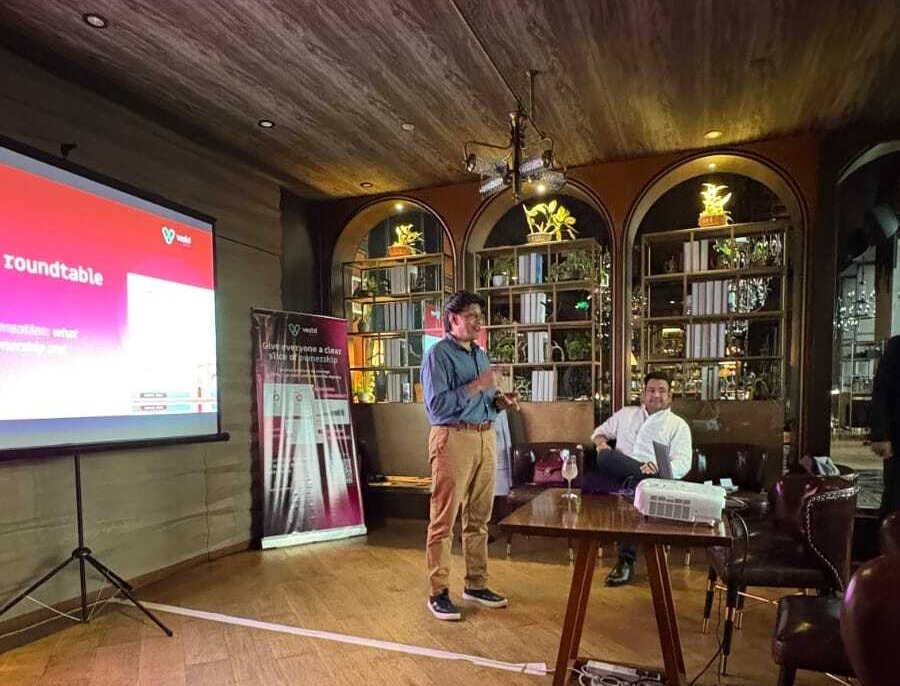
Over the past few months, our ESOP roundtables in Delhi and Mumbai have brought together HR leaders from across India's corporate and high-growth business landscape.
While the discussions covered everything from compliance and governance to employee engagement and plan design, the same themes surfaced repeatedly.
The conversation was no longer about whether companies should offer employee ownership. Instead, it focused on a more important question: how do you make equity meaningful for employees?
Based on those leadership insights here are five key themes that are shaping the future of employee ownership in India.
One topic surfaced repeatedly across both events: employees often receive equity without fully understanding it.
Many attendees shared examples of employees receiving option grants during onboarding without visibility into the wider ESOP policy governing those awards. As a result, important concepts such as vesting, taxation, exercise windows, and exit scenarios can remain unclear.
From our perspective, this reflects a broader shift in employee ownership.
A grant letter is only the beginning of the ownership journey. Employees are increasingly looking for clarity around what they own, how it works, and what it could mean for them in the future.
The companies seeing the strongest engagement with equity are often those investing as much effort into communication and education as they do into plan design itself.
Another recurring theme was the gap between how employers and employees view equity.
While founders often see ESOPs as a powerful alignment tool, employees may view them through the lens of uncertainty, particularly when compared to more immediate forms of compensation. Several industry leaders described employee ownership as a cultural initiative rather than simply a compensation mechanism, and we agree. Even the most well-designed ESOP will struggle to deliver value if employees don't understand how they participate in future growth.
Ownership culture isn't created when options are granted. It's built through ongoing communication, education, and transparency.
For many knowledge-based roles, equity can be a compelling part of a broader reward package. However, leaders around the table noted that employees in frontline, operational, or lower-income roles may prioritise immediate financial outcomes over potential future value.
Rather than questioning the value of employee ownership, the discussion highlighted the importance of designing equity programmes around employee needs and expectations. Successful plans are tailored not just to business objectives, but to the people they are intended to benefit.
Questions around ESOP scheme design emerged frequently during our Delhi and Mumbai roundtables, particularly among HR leaders from growing companies navigating the journey from early-stage startup to scale-up.
At the heart of these discussions was a common question: how should an ESOP scheme evolve as a company grows? HR leaders were looking for practical frameworks and reliable benchmarks to help them design schemes that remain effective from the early stages through to more mature phases of growth.
While employee engagement generated significant discussion, operational readiness was never far behind.
As organisations grow, equity plans naturally become more complex. New hires, funding rounds, vesting schedules, shareholder changes, and reporting obligations all introduce additional layers of administration.
Many industry leaders noted that equity management is increasingly being viewed as an ongoing business function rather than a periodic legal exercise.
This is a trend we've seen consistently across growing businesses.
As ownership programmes mature, maintaining accurate records, ensuring compliance, and creating visibility for stakeholders becomes just as important as designing the scheme itself.
The discussions in Delhi and Mumbai highlighted three recurring themes:
As ESOP adoption continues to grow, companies that prioritise clarity, alignment, and education alongside compliance may be best positioned to unlock the full value of employee ownership.
Whether you're launching your first ESOP scheme, reviewing an existing plan, or looking to improve employee engagement with equity, these conversations reflect challenges being faced by companies across India today.
Vestd helps businesses design, manage, and scale employee ownership with confidence, bringing together equity management, governance, and employee engagement in one platform.
Ready to build an ownership programme employees actually understand and value? Book a personalised demo.

Sapta : Sep 11, 2026, 1:27:42 PM
An ESOP grant might look like a single document, but in reality it's a chain of decisions that can span years.

Sapta : Jul 13, 2026, 5:55:57 PM
As more Indian startups and private companies adopt ESOPs, managing equity has become far more than just tracking grants in a spreadsheet. Vesting...

 Abhishek Ray : Jul 31, 2026, 5:15:41 AM
Think back to when your company was just getting started. There were probably only a couple of names on the shareholding register, and keeping track...